









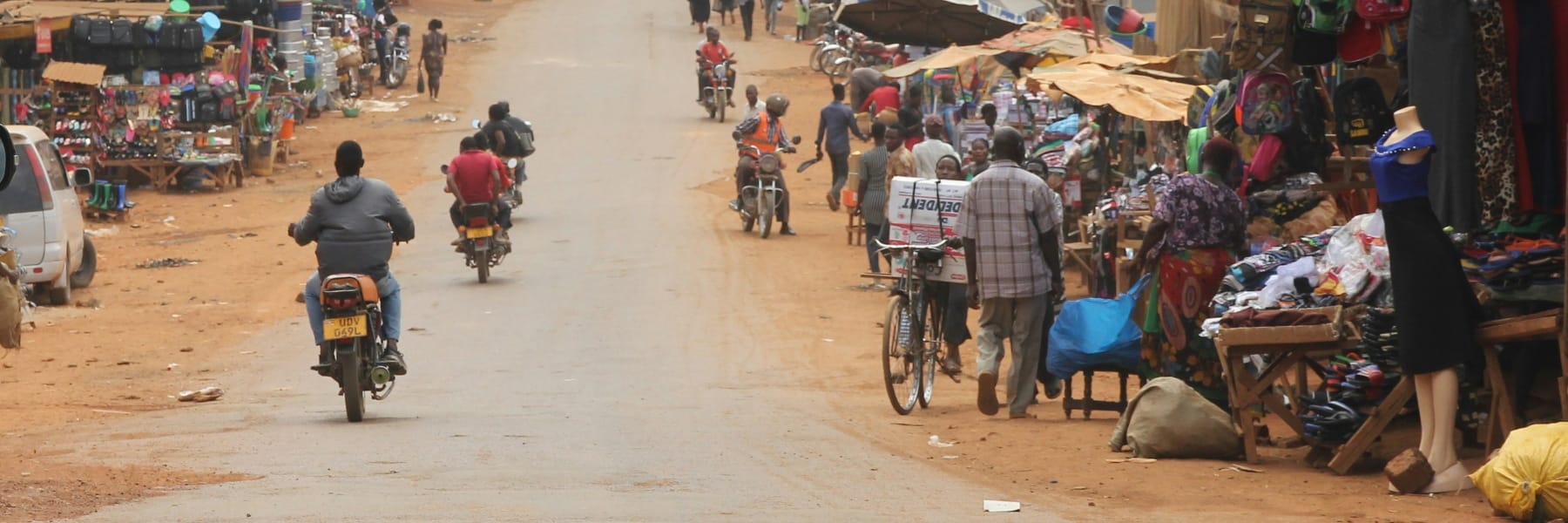







According to investigations by ENACT Africa, sandalwood trafficking networks operate sophisticated cross-border and maritime export operations that exploit regulatory gaps between East African countries. At the Kenya-Uganda border in Busia town, smugglers transport tonnes of sandalwood disguised in carton boxes via public buses from Nakuru to Busia at least three times weekly. At the border, smugglers pay KES 3,500 per 100kg bag for bicycle transport across the border and KES 100 per bag to border police as bribes. This "protection economy" extends to senior police officers who strategically remove roadblocks to allow vehicles carrying sandalwood to pass unhindered. Once in Uganda, Kenyan sandalwood is repackaged as Ugandan products and sealed by Ugandan authorities before being shipped back to Kenya for export through the Port of Mombasa. The scale of this operation is evident in police records at Kilindini Police Station, which documented the confiscation of 11 containers between 2015 and 2018, containing approximately 237 tonnes of sandalwood valued at $9.48 million USD. This trafficking route demonstrates how criminals exploit both regional regulatory differences and corruption within border security systems to facilitate the movement of illegal wildlife products to international markets in Asia.

The Environmental Crimes Financial Toolkit is developed by WWF and Themis, supported by the Climate Solutions Partnership, a collaboration between HSBC, World Resources Institute and WWF.