

Platform

Resources
"Why did you just message me on Facebook saying you're in a mess and need a favour?
- asked my friend from across the room.
Panic rose immediately. I hadn't messaged her. I rushed to grab my phone, to see an old friend I hadn't spoken to in years calling me, along with around 20 new text messages and 10 missed calls from what seemed like almost everyone I knew.
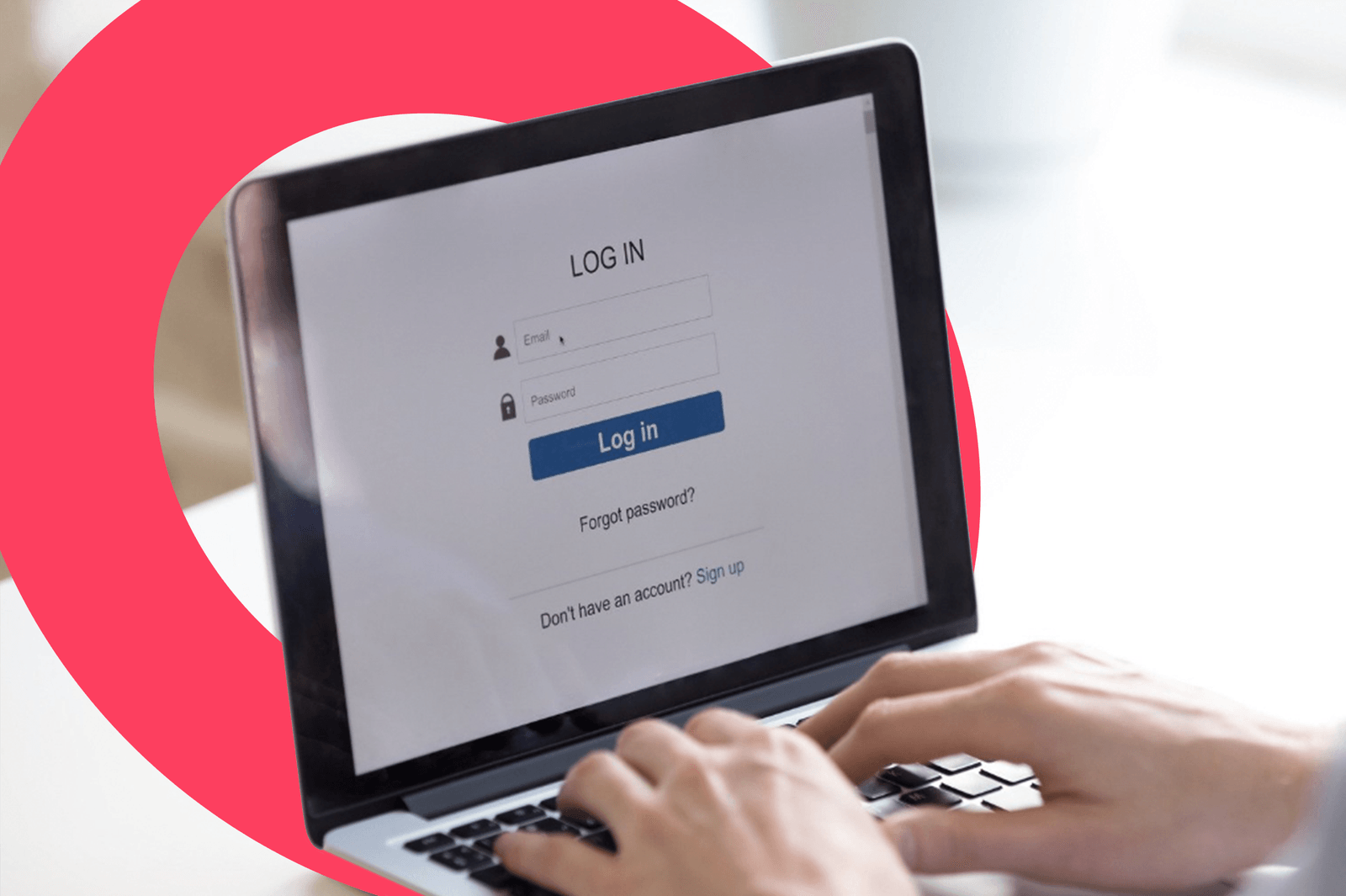
It hit me - I had been hacked. Someone had taken over my Facebook account and was messaging my contacts, pretending to be me and asking for money to pay bills.

This is an example of account takeover fraud. In 2023, it resulted in nearly $13 billion in losses. It's a form of identity theft where fraudsters hijack an online account to steal funds or sensitive information. Its effects reach far beyond the financial loss but also leaves victims feeling violated, vulnerable, embarrassed, and mistrustful of online platforms.
With 73% of consumers believing the brand is accountable for account takeover attacks, this article examines why account takeover is so dangerous and how you can detect this malicious activity on your platform using behavioral analytics technology.
Account takeover fraud typically begins with fraudsters obtaining a user's login credentials through methods such as phishing, data breaches, and credential stuffing. Once they gain access, they use various techniques to extract funds or sensitive information. They often change account settings, like email addresses and phone numbers, to lock out the legitimate owner and avoid detection.
AI is making it even easier for these cybercriminals. Generative AI tools, such as ChatGPT, can be used to craft convincing phishing messages that mimic legitimate communications with linguistic fluency. AI-driven chatbots can now engage with customer service to manipulate account settings or bypass security questions. And AI can analyze large volumes of stolen data to find valuable login information more quickly and efficiently.
Once the hacker has gained access, they often employ the following tactics to extract money:
Platforms most at risk include social media sites, online banking, e-commerce platforms, and any service that involves financial transactions or sensitive personal data. By understanding these sophisticated methods, online platforms can better implement robust defence measures to protect against account takeover fraud.
When my social media account was hacked, it took me nearly an hour to report the incident and regain access. By then, it was too late - one of my kind friends had sent money to a bank account set up by the hacker in my name. Despite reporting this to the bank and the police, the money was sadly never recovered.
Desperate to find the culprit, I donned my investigative hat to discover that the hacker was using a completely new IP address. This, along with the unusually high amount of activity, were clear behavioral anomalies for my account.
For platforms using fraud detection solutions, this is where Themis's behavioural technology excels. Our continuous monitoring quickly detects these suspicious behavioral signals that indicate fraudulent behavior, such as:
By identifying these anomalies, Themis can quickly alert online platforms to potential account takeovers, enabling them to take swift action to prevent further damage.

With advancements in AI, staying one step ahead of the fraudsters is more important than ever. Not only will this offer peace of mind for your users, but it will maintain the reputation of your platform.
Find out how we can help protect your business against fraud. We’d love to hear from you.


UK private credit litigation is set to rise as the credit cycle turns, echoing US trends in mis-selling claims. Fund managers, GPs and wealth managers should align marketing, due diligence and documentation now to defend against investor claims over disclosures, valuation and fees.

This piece develops the argument from our recent panel on emerging risks in private credit, with former FCA COO Emily Shepperd and Dan Hemming, financial services disputes partner at RPC.

In one set of marketing materials, the UK lender Market Financial Solutions told backers it had issued £45.4 million of loans in 2011. Its filed accounts for that year recorded £196. The gap sat in the public record, there for anyone who looked.




Lorem ipsum dolor sit amet, consectetur adipiscing elit, sed do eiusmod tempor incididunt ut labore et dolore magna aliqua. Ut enim ad minim veniam, quis nostrud exercitation ullamco laboris nisi ut aliquip ex ea commodo consequat. Duis aute irure dolor in reprehenderit in voluptate velit esse cillum dolore eu fugiat nulla pariatur.
Block quote
Ordered list
Unordered list
Bold text
Emphasis
Superscript
Subscript