

Platform

Resources

Fake reviews are a growing problem for online platforms, with a staggering 43% of Amazon reviews now likely to be fake, and 67% of consumers believing fake reviews are a common issue.
As AI tools enable fraudsters to produce deceptive reviews at scale, detecting fake reviews has become more complex. This is a huge concern since nearly 60% of consumers heavily rely on reviews to make purchasing decisions, affecting not only individual choices but also the credibility and reputation of platforms.
As a result, detecting fake reviews now requires an analytical approach using a combination of AI and machine learning, and focusing on behavioural patterns at the account level.
Understanding the motivation behind fake reviews is key to addressing the issue effectively:

The dangers of fake reviews extend far beyond misleading consumers, highlighting the importance of taking proactive measures to safeguard your platform.
As generative AI tools become more mainstream, creating convincing copy is easier than ever. Within seconds, fraudsters can now generate hundreds of fake reviews that effectively mimic humans across multiple languages and contexts.
The following example demonstrates the power of ChatGPT in rapidly producing fake reviews:

Fraudsters having free and ready access to such tools means that simply analyzing the review content no longer effectively detects fake reviews. We need to look deeper at the behaviour of the accounts behind the reviews.
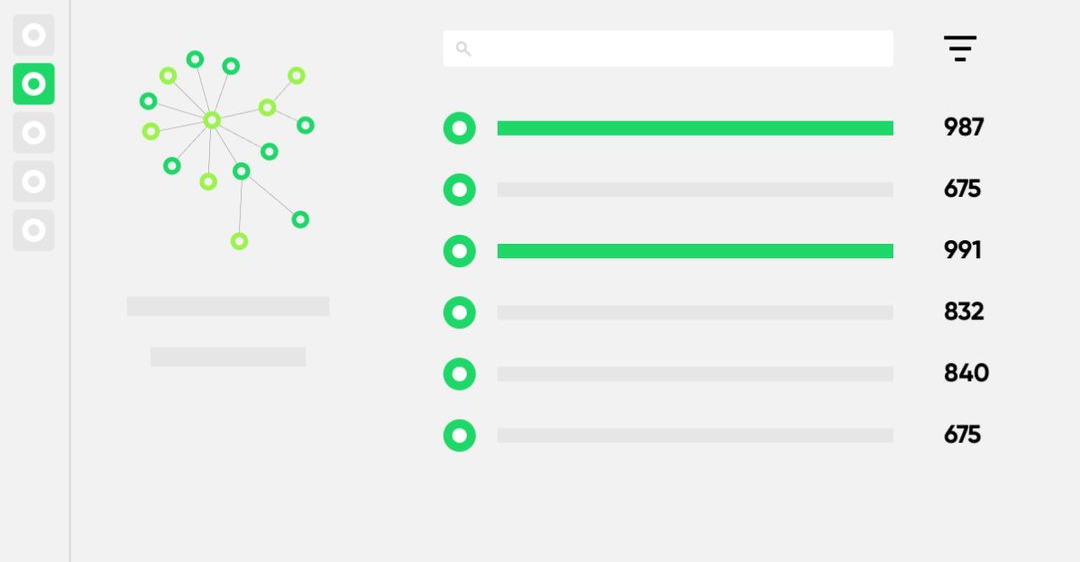
Themis's approach combines AI and behavioural analytics to understand and interpret patterns of account behaviour:
By continually monitoring both the content and the context - who is writing, from where, how often, and their connections - we can provide you with a clearer picture of review authenticity on your platform. We don’t just catch lone fakes, but uncover entire networks of review fraud and review seller activity across multiple platforms.
And the integration of our system with platforms automates the detection process, reducing the need for manual moderation and letting you focus on providing genuine and trusted user experiences.
Find out how we can help protect your business against fraud. We’d love to hear from you.


UK private credit litigation is set to rise as the credit cycle turns, echoing US trends in mis-selling claims. Fund managers, GPs and wealth managers should align marketing, due diligence and documentation now to defend against investor claims over disclosures, valuation and fees.

This piece develops the argument from our recent panel on emerging risks in private credit, with former FCA COO Emily Shepperd and Dan Hemming, financial services disputes partner at RPC.

In one set of marketing materials, the UK lender Market Financial Solutions told backers it had issued £45.4 million of loans in 2011. Its filed accounts for that year recorded £196. The gap sat in the public record, there for anyone who looked.




Lorem ipsum dolor sit amet, consectetur adipiscing elit, sed do eiusmod tempor incididunt ut labore et dolore magna aliqua. Ut enim ad minim veniam, quis nostrud exercitation ullamco laboris nisi ut aliquip ex ea commodo consequat. Duis aute irure dolor in reprehenderit in voluptate velit esse cillum dolore eu fugiat nulla pariatur.
Block quote
Ordered list
Unordered list
Bold text
Emphasis
Superscript
Subscript