

Platform

Resources

Review bombing has become a significant issue for online platforms, affecting the credibility and reliability of user-generated content.
It is a malicious phenomenon where a large group of people, often coordinated, flood a product or service with negative reviews. The tactic is typically used to influence public perception, or sabotage the success of the target.
Do you rely on online reviews before making a purchase? If so, you're part of a vast majority. According to recent statistics, 81% of consumers use Google to read reviews and evaluate local businesses, and 91% typically read at least one review before purchasing a product. And with 94% of consumers saying that a negative review has caused them to avoid a business, the impact of review bombing can be profound, influencing not only the perception of individual products but also the overall trust in a platform's review system.
Review bombing can damage a platform’s reputation and the trustworthiness of its reviews. When potential customers encounter a slew of negative reviews, they may be deterred from purchasing or engaging with the product, even if those reviews are not representative of actual user experiences. For online marketplaces and review aggregators, this can lead to decreased traffic, lower sales, and a tarnished reputation. For businesses, especially smaller ones that rely heavily on online reviews, this can result in significant financial losses if their sales plummet due to a coordinated attack.
Additionally, review bombing often targets content associated with progressive themes or underrepresented groups, which can perpetuate biases and limit the diversity of voices and stories in media. This not only affects the targeted content but also discourages creators from producing diverse and inclusive works.
Goodreads is an example of how review bombing can damage a platform's reputation, with notable incidents involving authors like Cait Corrain and Elizabeth Gilbert. Corrain's career crumbled after she was caught writing fake reviews to praise her own book and disparage others, leading to her publisher canceling her debut novel. Gilbert withdrew a novel due to a flood of one-star reviews based on mistaken assumptions about its content. These controversies reveal how Goodreads' lax verification processes enabled coordinated negative reviews. The prevalence of fake reviews not only distorts book ratings but also erodes trust in Goodreads as a reliable source for book recommendations.
Platforms like Rotten Tomatoes and Metacritic have implemented measures to counteract review bombing, such as delaying user reviews or verifying that reviewers have actually experienced the content. However, these measures are not foolproof and often require significant manual oversight.
At Themis, we use advanced AI and behavioural analytics to detect fake reviews:
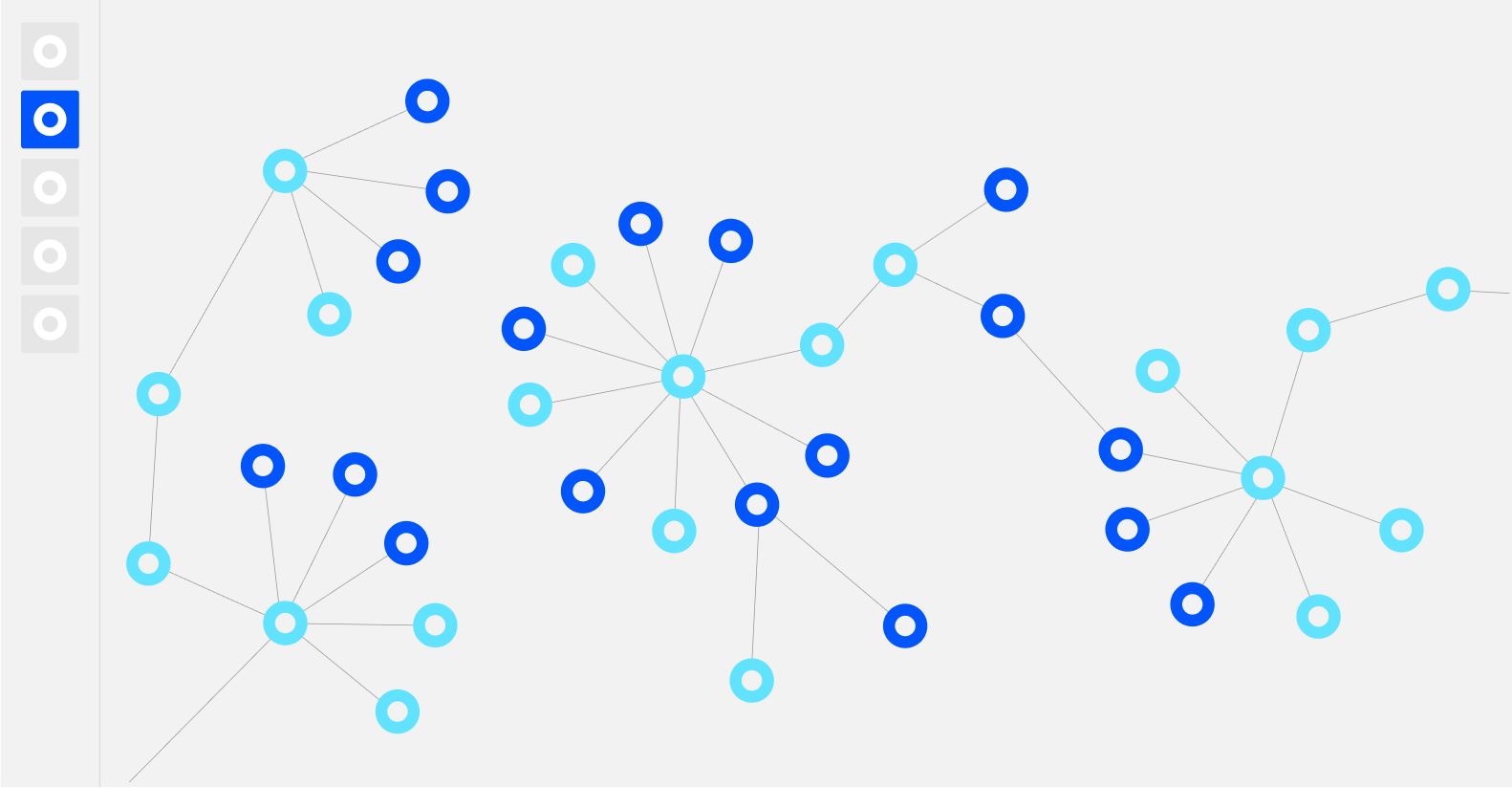
By continually monitoring both the content and the context - who is writing, from where, how often, and their connections - Themis provides a comprehensive view of review authenticity. Our solution doesn't just catch lone fake reviews; it uncovers entire networks of review fraud, enhancing the reliability of your platform.
Find out how we can help protect your business against fraud. We’d love to hear from you.


UK private credit litigation is set to rise as the credit cycle turns, echoing US trends in mis-selling claims. Fund managers, GPs and wealth managers should align marketing, due diligence and documentation now to defend against investor claims over disclosures, valuation and fees.

This piece develops the argument from our recent panel on emerging risks in private credit, with former FCA COO Emily Shepperd and Dan Hemming, financial services disputes partner at RPC.

In one set of marketing materials, the UK lender Market Financial Solutions told backers it had issued £45.4 million of loans in 2011. Its filed accounts for that year recorded £196. The gap sat in the public record, there for anyone who looked.




Lorem ipsum dolor sit amet, consectetur adipiscing elit, sed do eiusmod tempor incididunt ut labore et dolore magna aliqua. Ut enim ad minim veniam, quis nostrud exercitation ullamco laboris nisi ut aliquip ex ea commodo consequat. Duis aute irure dolor in reprehenderit in voluptate velit esse cillum dolore eu fugiat nulla pariatur.
Block quote
Ordered list
Unordered list
Bold text
Emphasis
Superscript
Subscript