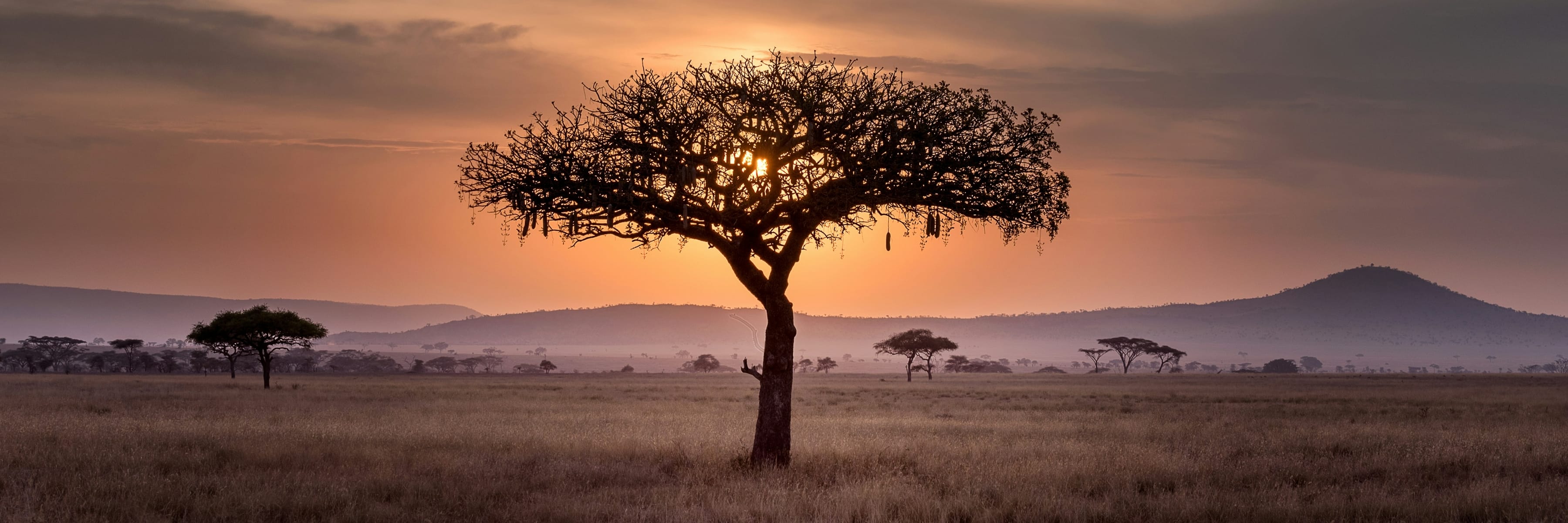



Charcoal is the most important energy source in Somalia, relied upon by 98% of all households in towns and cities for heating and cooking. A recent investigation by CORRECTIV indicates that the charcoal trade contributes to the large-scale deforestation of acacia forests, which is concentrated in the regions of Jubaland, Lower Shabelle and Bay. The situation is particularly grave in Bay, where the trade is rapidly accelerating soil erosion and desertification - fueling drought and starvation among the local population. In addition to causing environmental degradation, the charcoal trade constitutes a significant source of terrorist financing. Large parts of the charcoal trade are under the control of jihadist organisation, Al-Shabaab, which uses the multi-million-dollar revenue generated by this trade to wage war on the Somali government, perpetuating regional instability and violence. As well as being victims to Al-Shabaab's brutality, local people are also vulnerable to illicit taxation and extortion by this group. The charcoal trade is also connected to money-laundering, with profits from the illegal charcoal trade being laundered to conceal their illicit origins. Although the production of charcoal and its trade for export was outlawed by the Somali government in 2012, CORRECTIV's investigation uncovers state corruption and complicity in the industry. Large charcoal production facilities are located in government controlled-areas and Somali officials, across various levels, benefit from this trade through the taking of bribes. The Somali army, for example, demands its own 'tax', in exchange for turning a blind eye to the transport of this resource in government-controlled territory from areas under Al-Shabaab-control.