
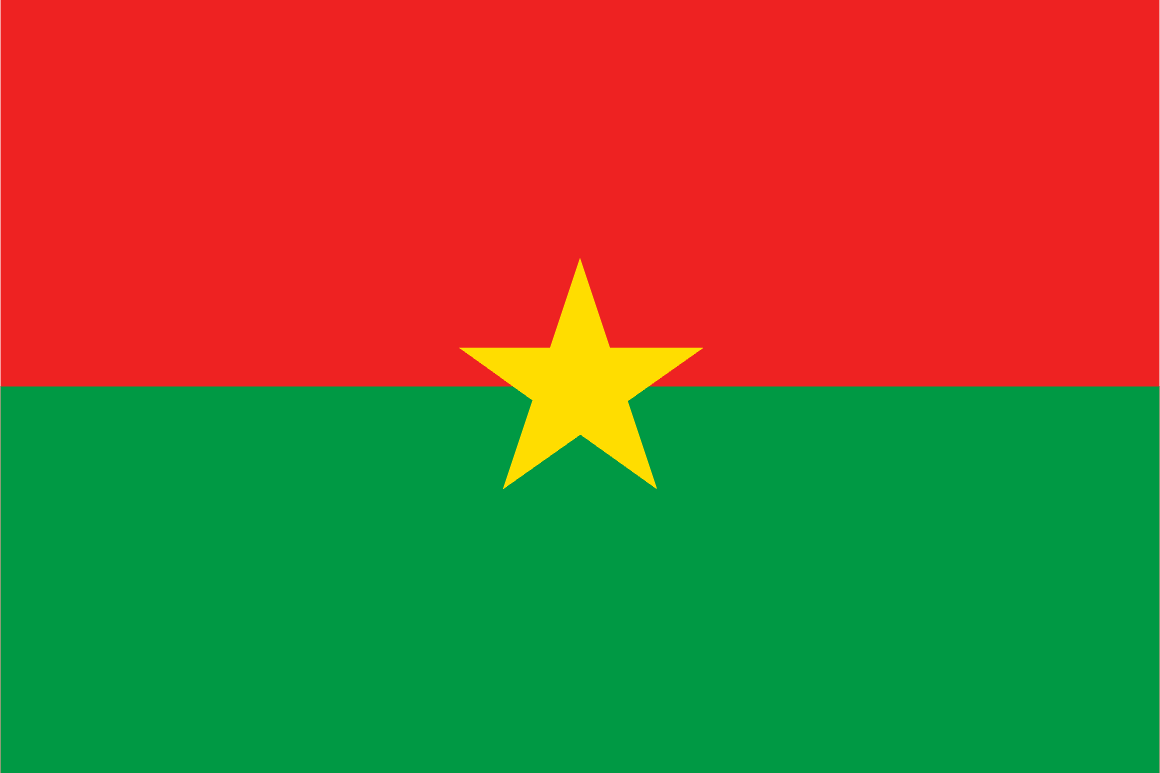



A report by the United Nations Office on Drugs and Crime details how the illicit gold trade in Burkina Faso has played a critical role in financing conflicts. Artisanal and small-scale gold mining (ASGM), a focal point for the country's economy, provides resources to non-state armed groups, and contributing to instability in the region. In Burkina Faso, ASGM produced approximately 49.5 tons of gold in 2018, valued at around $2.7 billion in 2022. The artisanal gold mining market is a significant source of income for many communities, but a big portion of this gold is smuggled out of the country, avoiding formal channels and taxation. The revenue derived from this illicit trade is often reinvested in weapons and vehicles, providing increased economic prosperity for armed groups, such as those affiliated with Jama'a Nusrat ul-Islam wa al-Muslimin (JNIM), during conflicts. The influx of weapons into the region, especially after the 2011 Libyan revolution, has made arms readily available to different groups, contributing to the weaponisation of existing trafficking routes. In addition, the smuggling networks also play a role in supplying armed groups with recruits. Migrant smugglers, for instance, liaise with armed groups and pay taxes for safe passage through territories controlled by these groups.