








Environmental crime costs society up to $281 billion every year. It's growing at 5–7% annually, two to three times faster than the legitimate economy, and it doesn't act alone. Bribery, money laundering, fraud, and trafficking run through it, with financial institutions at the heart of every flow.
Exposure runs through investment portfolios, commodity financing and supply chains - including cattle, palm oil, timber, minerals and more. Combined with regulations in the UK, EU, and US, obligations are tightening fast.
The question isn’t whether your institution has exposure. It’s whether you have the intelligence to act on it. This toolkit equips you to identify and reduce your exposure, protecting your institution and the environment.
The Environmental Crimes Financial Toolkit has been co-created by WWF and Themis and developed with support through WWF's philanthropic partnership with HSBC.
Financial institutions face significant exposure to environmental crimes through various business activities. Despite regulatory obligations to investigate related illicit financial flows, financial data remains underutilised in combating these crimes.
By enhancing their ability to identify and report suspicious transactions related to environmental crimes, financial institutions can both protect themselves from regulatory, legal, and reputational risks while playing a crucial role in disrupting criminal networks that threaten global environmental and sustainability goals.
This toolkit is designed to assist financial institutions to do so.


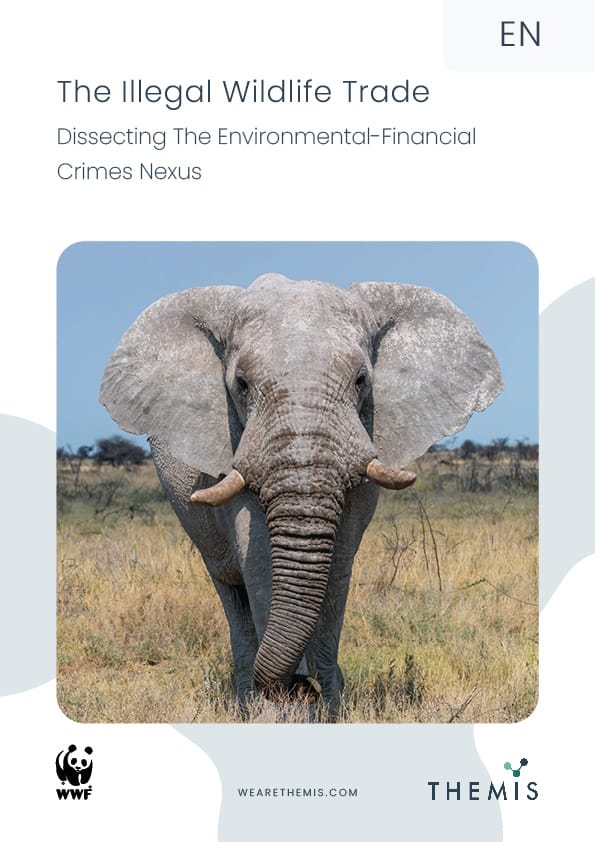
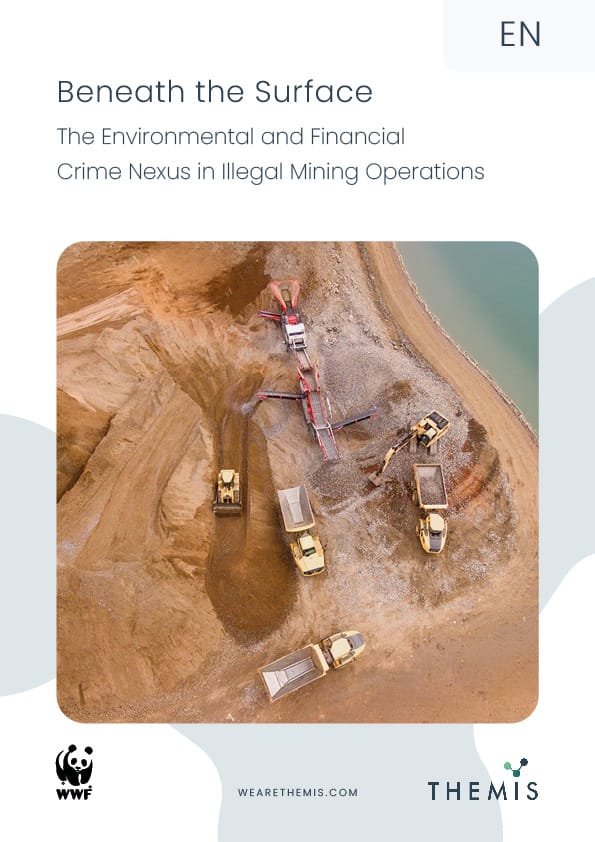
Explore the latest through in-depth reports, expert insights, and podcast conversations that bring the issues to life across every corner of the environmental crime landscape.


Practical resources enabling institutions to assess exposure, identify red flags and implement
effective environmental crime risk controls.
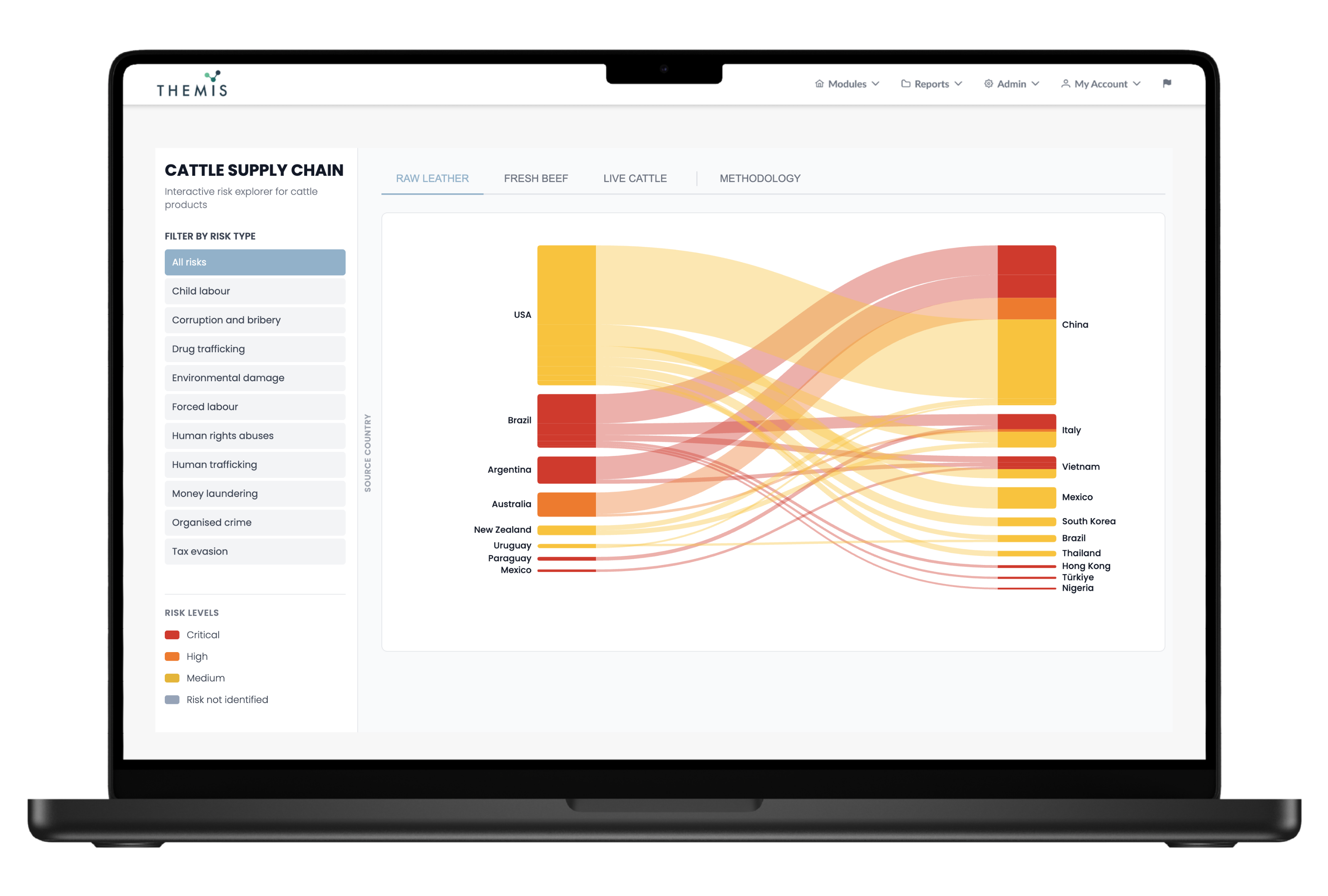
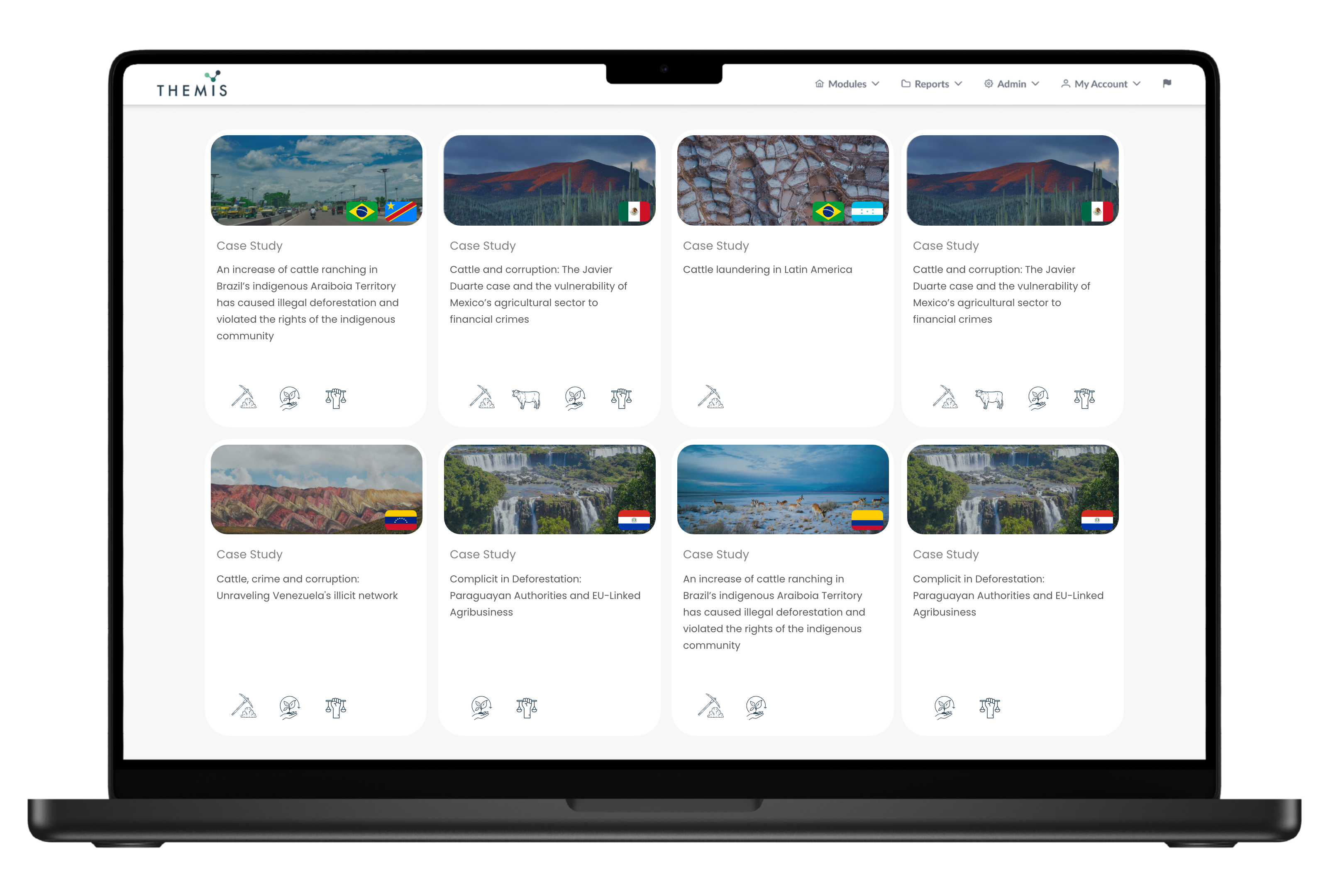
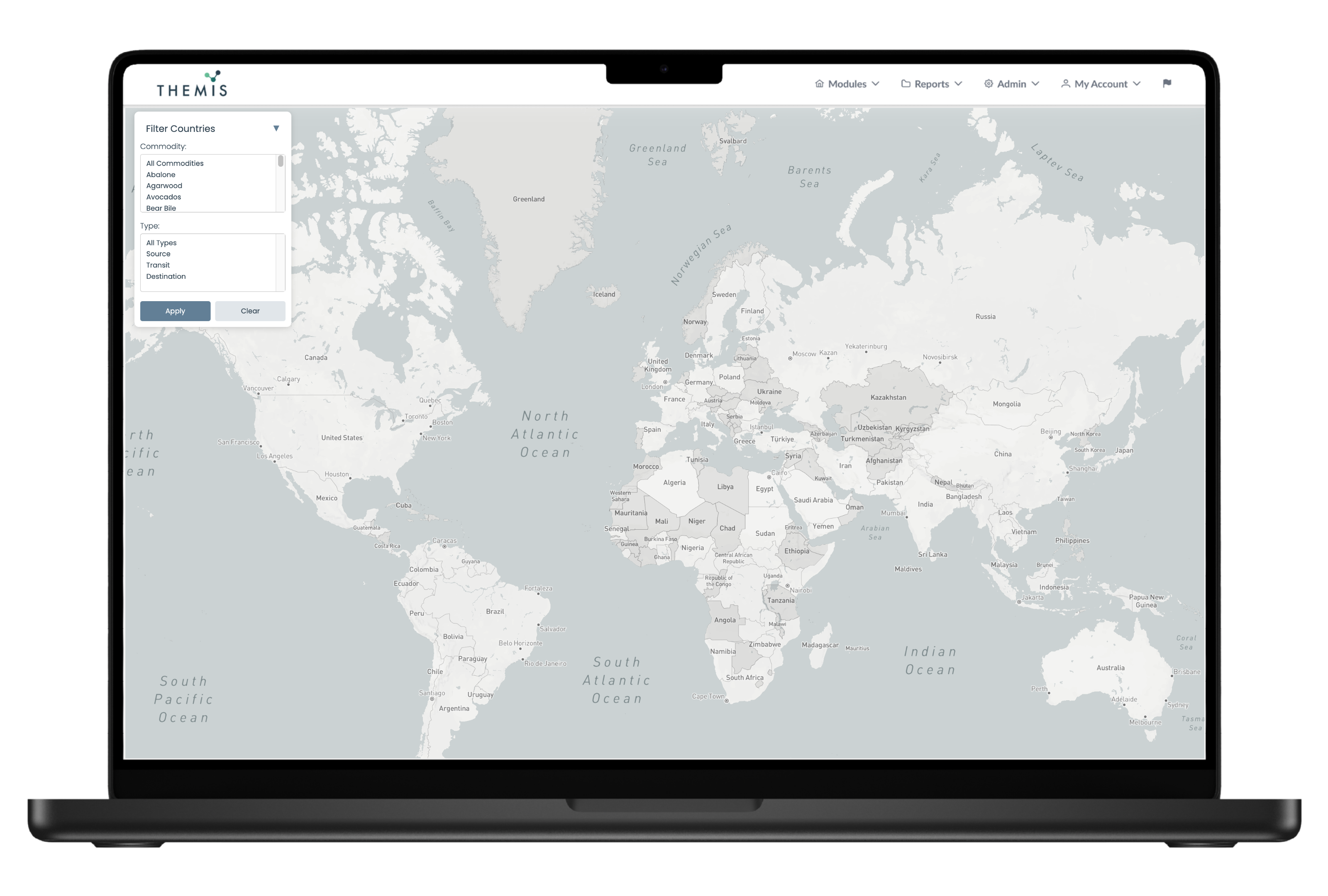
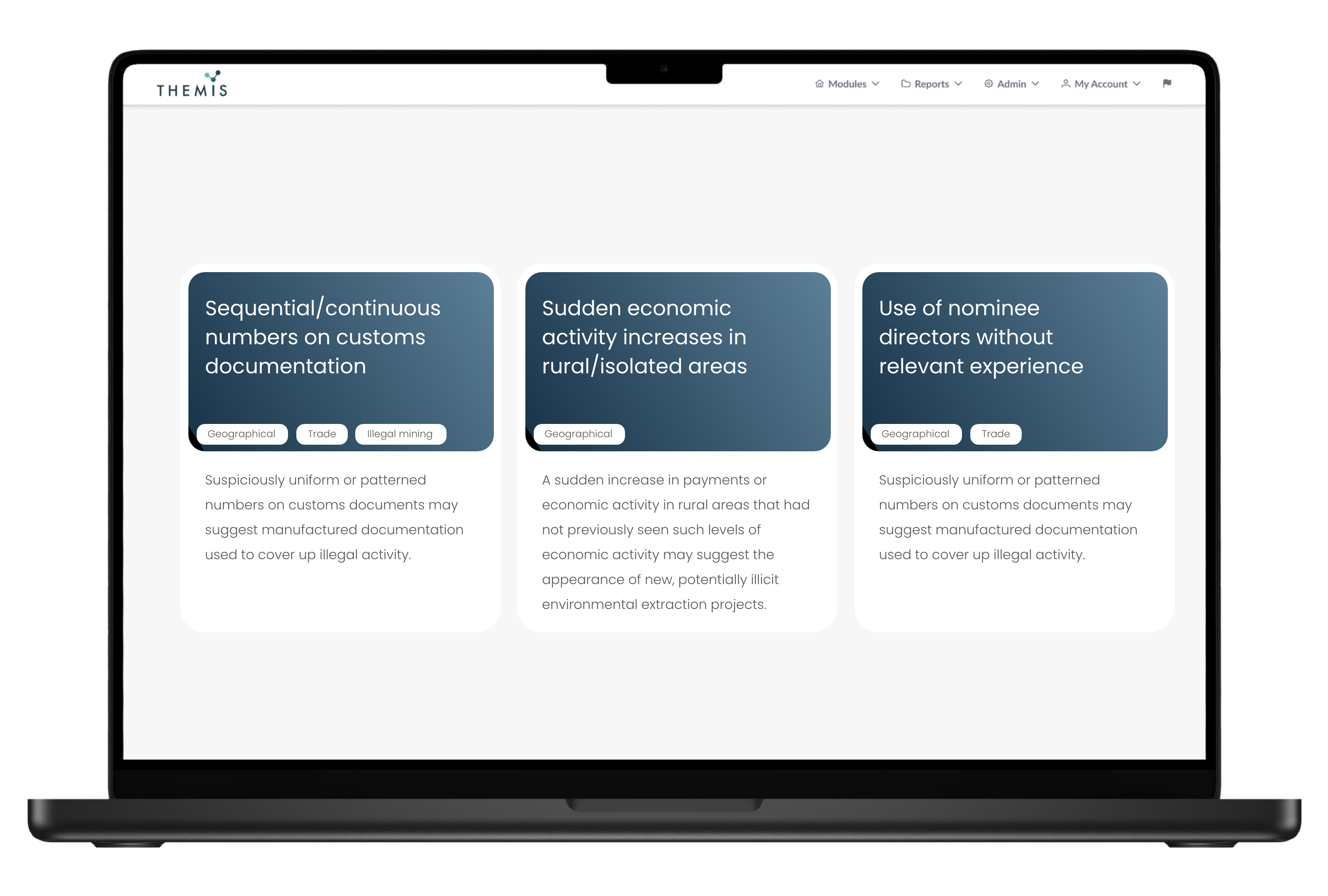


Three deep-dives into the environmental crimes posing the greatest financial risk right now.
Each Spotlight report combines intelligence, case evidence, and actionable guidance, helping your team
to understand, not just the crime, but your exposure to it.
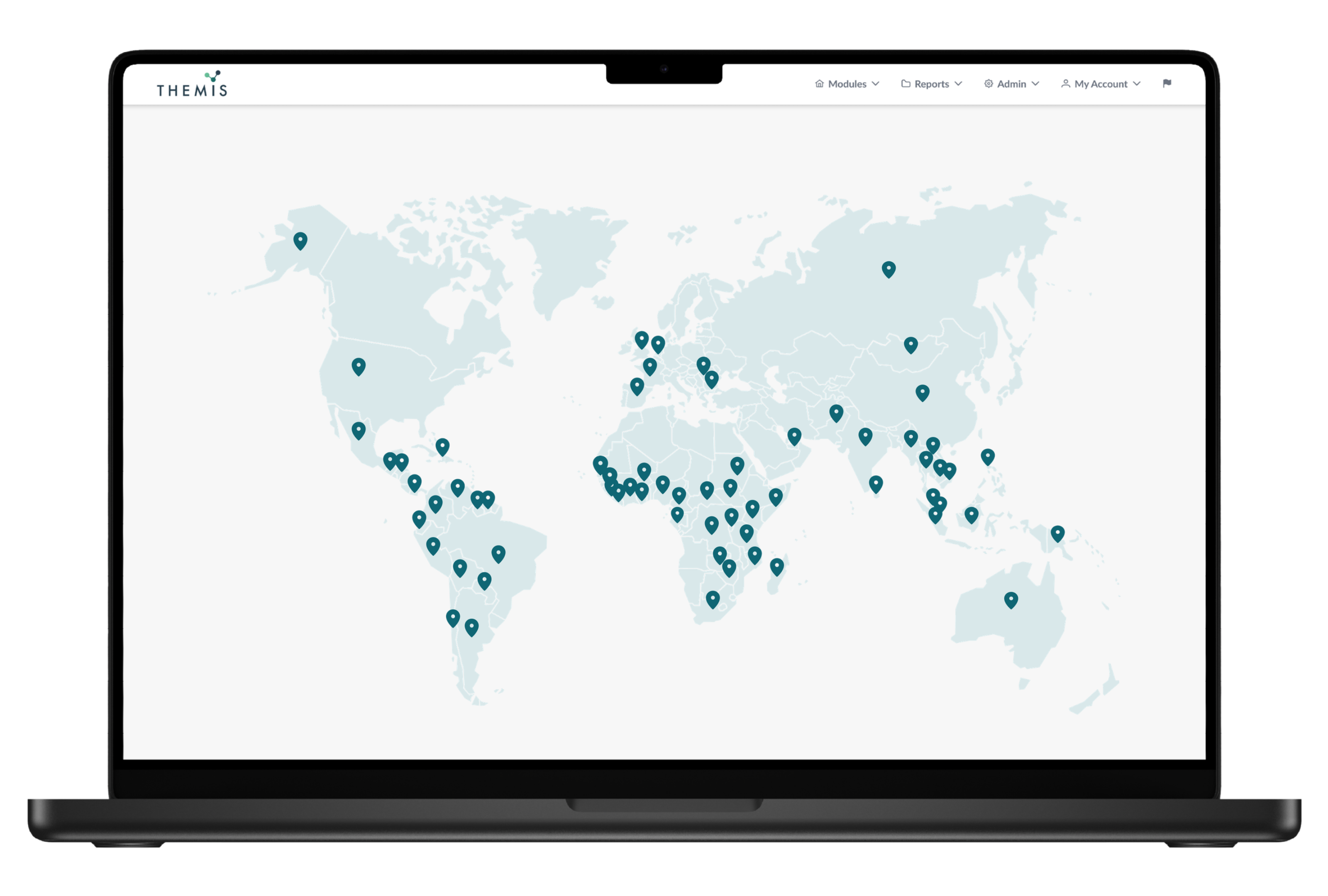
Build your intelligence picture. Draw on country-level risk data, geographic crime mapping, and real-world case evidence to understand where your exposure lies.


Surface red flags across clients, transactions, and commodity supply chains, before risks escalate.


Build resilient internal frameworks using practical guidance, strategic structures, and best practices designed to support defensible, risk-based decision-making.


Enhance the quality and consistency of suspicious activity reporting through stronger intelligence, clearer escalation processes, and better-informed investigations.


Every suspicious transaction flagged, every report filed, every policy strengthened contributes to disrupting the criminal networks that profit from environmental destruction.



Stay ahead of emerging environmental crime risks. Sign up for toolkit updates, new reports, podcasts and expert analysis as they are released.

The Environmental Crimes Financial Toolkit is developed by WWF and Themis, supported by the Climate Solutions Partnership, a collaboration between HSBC, World Resources Institute and WWF.