

Platform

Resources
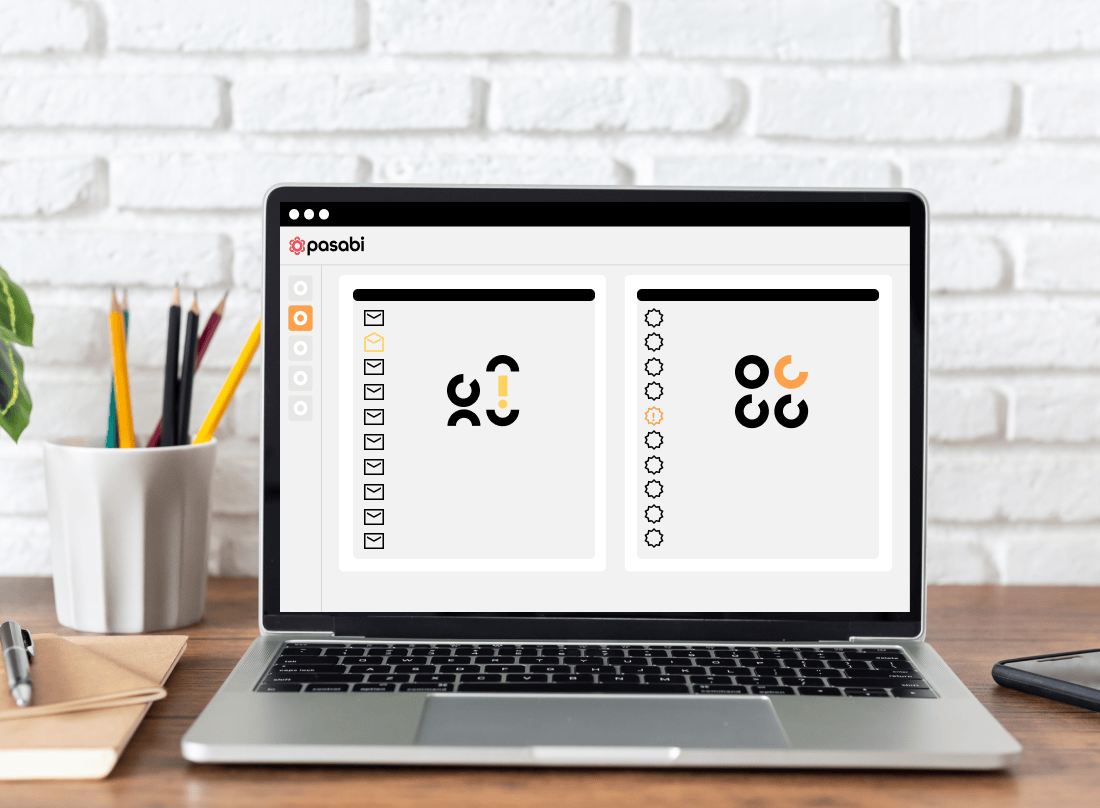
Spam can be the method of orchestrating a scam, but not all spam is sent by scammers.
Despite their differences, spam and scams both create problems for online platforms—they ruin your users’ experience (and tarnish the reputation of your brand).
Your inbox is inundated with unsolicited messages from a business or sender you don’t recognize. That’s spam. The intention is to reach as many people as possible, and convince them to buy their product or service.
A scam, however, is far more malicious. Scammers are essentially thieves. They use sophisticated tactics to steal money or sensitive information from unsuspecting victims.
It’s important to know the difference, so you can clearly communicate these challenges to your user base, and set strategies to combat both.
Watch out for these common spam attempts in private messages, reviews and comments.
Users have reported incidents where they have been added to groups with hundreds of other people they don’t know. They’re then inundated with countless messages to buy a product, or join a paid course.
Many of these cases have been seen on Instagram, WhatsApp and Telegram. And while there are tools for users to block being added to group messages by strangers, it's not the default. This is a problem. As spam is all a numbers game, these incidents build up in a short space of time—quickly shifting the impression users have of the platform (and not in the best way).
In 2022, nearly 49% of all emails globally were identified as spam. One way spammers get to users is with clickbait subject lines. “Clickbait” is the tactic of using a sensationalized subject line to entice the user to open the email. They’re often misleading, or withholding—and don’t necessarily paint a true picture of the content inside (i.e. spam, or in many cases, phishing scams).
Examples of clickbait subject lines could be:
“You’re never going to believe this”
“I made an extra $50,000 with this weird trick”

According to research, over 10 million women in the U.S have been approached about multi-level marketing schemes. But what are they? And what do they have to do with spam?
Multi-level marketing schemes are a method of selling products directly to consumers using independent sales representatives. Sales reps aren’t paid a salary, but instead earn commission on their sales. They also earn commission when they recruit a new member (this tends to be more lucrative than actual sales).
With the incentive of earning commision, MLMs become a numbers game (sound familiar?). Members message as many people as they can to sell the product, or recruit a new member—adding to the growing pool of spam on the internet.
These dangerous scams mislead your users and damage the trust they have in your platform.
Simply put, phishing is where scammers send messages containing malicious links containing malware or fake websites that are designed to steal people’s money and/or sensitive information. It’s one of the most common forms of cybercrime—found in emails, comments, private messages, QR codes and more.
With the help of AI, these scams are becoming all the more sophisticated. It’s reported that Americans lost $40 billion to phishing scams in one single year.
People lose more money to investment scams than any other. By nature, investing involves large volumes of money, and comes with pre-empted risks, making it fertile soil for criminal activity.
For their 2024 Risk Report, the BBB added cryptocurrency scams to the investment scams category because most crypto scams involved investment ‘opportunities’. As a result, this category rose to the top of their riskiest scams list, with a higher percentage of people (80.1%) reporting a higher average loss ($5,000).
People are cautious when handling their finances, so these types of scams take more convincing than others. Often, scammers entice users away from your platform to foster relationships, or build highly-convincing replicas of bank websites that phish the user’s personal information, and give scammers the ability to empty their accounts.
Fake listings can take many forms: Products, rental properties and even services. But the premise is always the same—the transaction goes through, but what the customer gets in return looks nothing like the listing (or doesn’t exist at all).
A recent report concluded that more than a third of Facebook Marketplace listings could be scams. And while Facebook has no ties to the scammers, the volume of scam activity on their platform gives users cause for concern.

Whether it’s a phishing scam, investment scam or any other—scammers use every tool in the box to reach your users and steal their money. Spam is just one of these tools. So how do you spot scammers if the volume of spam is so incredibly high?
Themis helps you uncover scammers directing users away from your platform. It ensures they stay safely within your environment, mitigating the risk of fraudulent activity.
Find out how we can help protect your business against fraud. We’d love to hear from you.


UK private credit litigation is set to rise as the credit cycle turns, echoing US trends in mis-selling claims. Fund managers, GPs and wealth managers should align marketing, due diligence and documentation now to defend against investor claims over disclosures, valuation and fees.

This piece develops the argument from our recent panel on emerging risks in private credit, with former FCA COO Emily Shepperd and Dan Hemming, financial services disputes partner at RPC.

In one set of marketing materials, the UK lender Market Financial Solutions told backers it had issued £45.4 million of loans in 2011. Its filed accounts for that year recorded £196. The gap sat in the public record, there for anyone who looked.



Lorem ipsum dolor sit amet, consectetur adipiscing elit, sed do eiusmod tempor incididunt ut labore et dolore magna aliqua. Ut enim ad minim veniam, quis nostrud exercitation ullamco laboris nisi ut aliquip ex ea commodo consequat. Duis aute irure dolor in reprehenderit in voluptate velit esse cillum dolore eu fugiat nulla pariatur.
Block quote
Ordered list
Unordered list
Bold text
Emphasis
Superscript
Subscript